Showing posts with label Papacy. Show all posts

Monday, January 30, 2023

Hear what the Spirit is saying to the church

That is what yesterday's response by the congregation  to the First Reading at my church, Micah 6: 1-8.  The Prophet Micah is spelling out what God expects of Israel.  My wife tells me the response to Biblical  readings used to be more uncompromising: "this is the Word of the Lord." 

But I can't help looking at Old and New Testaments and trying to reconstruct the scene when these readings were first written or read out.  When we read psalms which scholars believe may have composed in the time of David, what they mean to that  king?  Indeed, what did David and his audience?

How about Zion, sometimes known as Mount Zion?  Here it is:


Mountain, Royal city (or castle), whatever, it sure gives a different impression  than the endless talking up of Zion.

I am by no means the first historically-minded person to take this approach, but it sure is interesting.


Friday, March 29, 2013

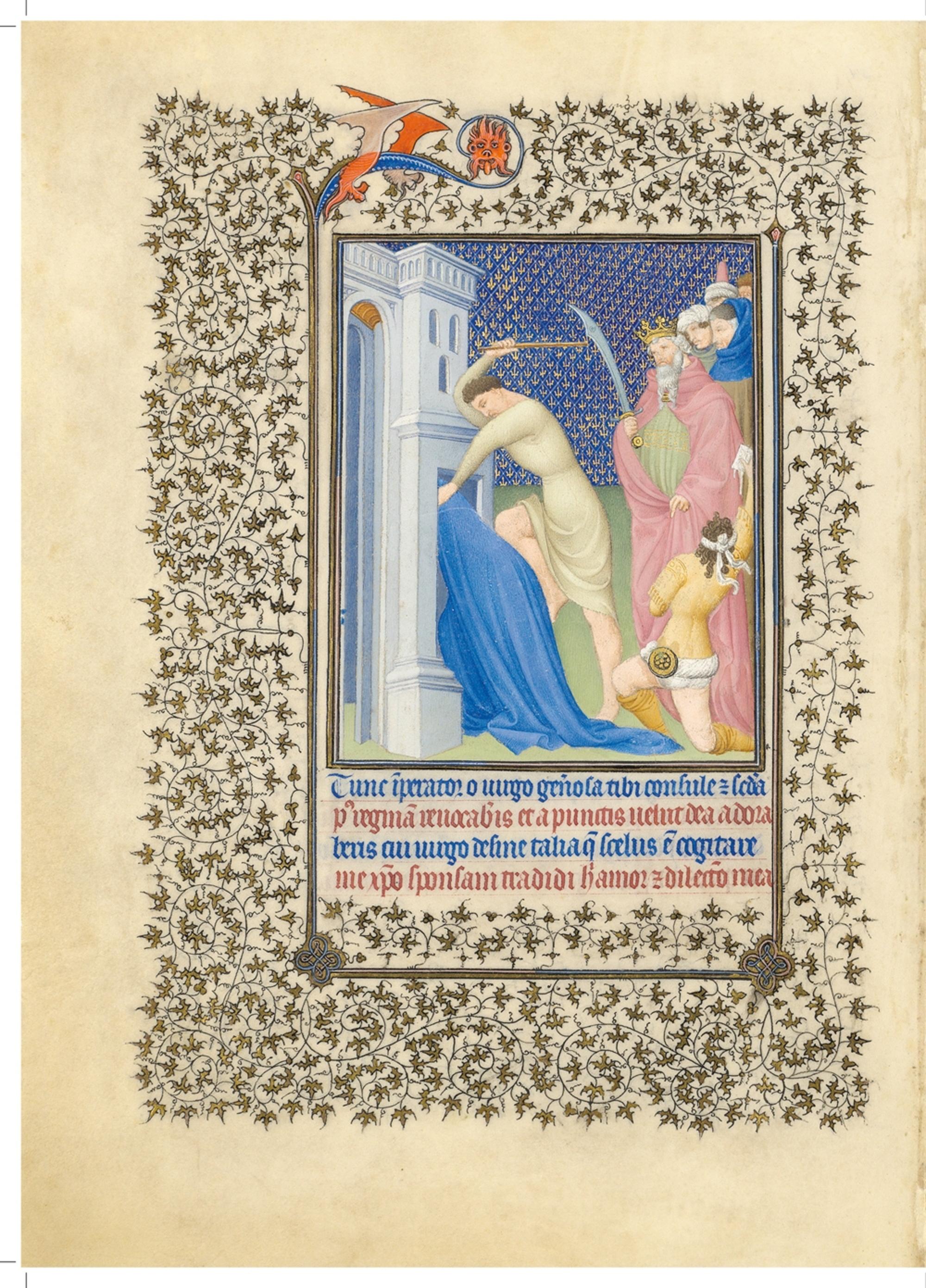
Medieval imagery strikes home

You don't have to be a big fan of the papacy to be struck by how appropriate this medieval sounding statement by Pope Francis is. He made it in connection with his foot washing yesterday:

  NBC News reports that since Pope Francis became pope, he has "proved many times over that he wants to break away from clerical privilege, come down from St. Peter's throne and act as a humble servant of the faithful."
During a short homily before the ritual, the pope urged priests to go out into the world.
"It is not in soul-searching... that we encounter the Lord," he said, according to the BBC. "We need to go out ... to the outskirts where there is suffering, bloodshed, blindness that longs for sight and prisoners in thrall to many evil masters."
It is good to hear someone powerful admit that many prisoners, today, are in thrall to evil masters.


Image:  Saint Catherine thrust into prison. And  being beaten just for the heck of it.

Tuesday, March 12, 2013

The Papal Election

Somehow the Atlantic got the idea of getting a historian to write up a piece.  They picked a good one, David Perry. I especially liked this:

1) Voting is medieval.
Voting is a quintessentially medieval activity. Sure, popular representations of the Middle Ages focus on kings and knights, princesses and peasants, but medieval people, especially in cities, loved to vote. They organized themselves into groups - guilds, religious fraternities, charitable organization, drinking societies - and wrote complicated bylaws governing elections. Many cities embraced various kinds of representative government during the High Middle Ages. Even the army outside the walls of Constantinople in 1204 took time to develop a voting system to elect the next emperor.
It's easy to characterize the Conclave of Cardinals as an authoritarian relic of the past. It's not. It's the same kind of democratic tradition that permeates modern American and European life, from board rooms to union halls to church groups to town councils.

Thursday, February 07, 2013

Senegal, Madagascar and Dr. Amadou Ba

Dr. Ba, who teaches history at Nipissing and Laurentian Universities, yesterday presented a paper entitled "African Soldiers in the French Colonial Army during the Conquest and  Colonization of Madagascar."

The several points of interest included:

  •  the fact that there were a lot of colonial wars in  Madagascar, which pretty much no one  knows anything about. (Madagascar must count as  the most obscure country in the world.)  
  • that the French waged these wars mainly with West African troops, who were all called Senegalese, whether they came from Senegal or not.
  • that there are descendants of the Senegalese still in Madagascar, where they are a despised symbol of colonial oppression.
  • that the  French are not blamed at all for the abuses of their regime. Indeed they are remembered as mitigating the brutalities of their Senegalese enforcers.
  • that no one in Senegal  is at all aware  of this Madagascar connection.
Somehow it was that last point --- that lost history -- that  struck me the most. There is so much that falls through the cracks.

UPDATE 2023-02-04 

I don't know if Madagascar still counts as the most obscure in the world.  It showed up in newsfeeds several times in the last week or so in connection with the papal visit to Africa.  Madagascar is now a typical poor country with food security problems.  South Sudan also now gets attention as "South Sudan," as a country and not just as a part of Sudan afflicted by civil war.  Why?  Papal visit. And a papal visit brought the Democratic Republic of the Congo for something beyond internal warfare motivated by a desire for valuable rare earths.

Papal visits!   Some time around 1000 CE it was papal recogition (and recognition by the German emperor, representing Rome the empire) that made the King of Poland a real Christian monarch.

Another case of "the more things change..."

Saturday, December 03, 2011